Seek Legal Advice from a Florida Lawyer for Storm Damage
Call: 407-597-7777

A severe storm can leave your home with obvious damage like missing shingles and broken windows, but the decisions you make in the hours and days that follow can have just as much impact on your property damage claim. Many homeowners unknowingly weaken otherwise valid insurance claims by waiting too long to act, failing to document their losses, or accepting an insurance company’s first assessment without question. At JT Law Firm, we help homeowners throughout Florida protect their rights after hurricanes, tornadoes, hailstorms, windstorms, and other covered events. Understanding these common mistakes can help you maximize your recovery and avoid unnecessary claim disputes.
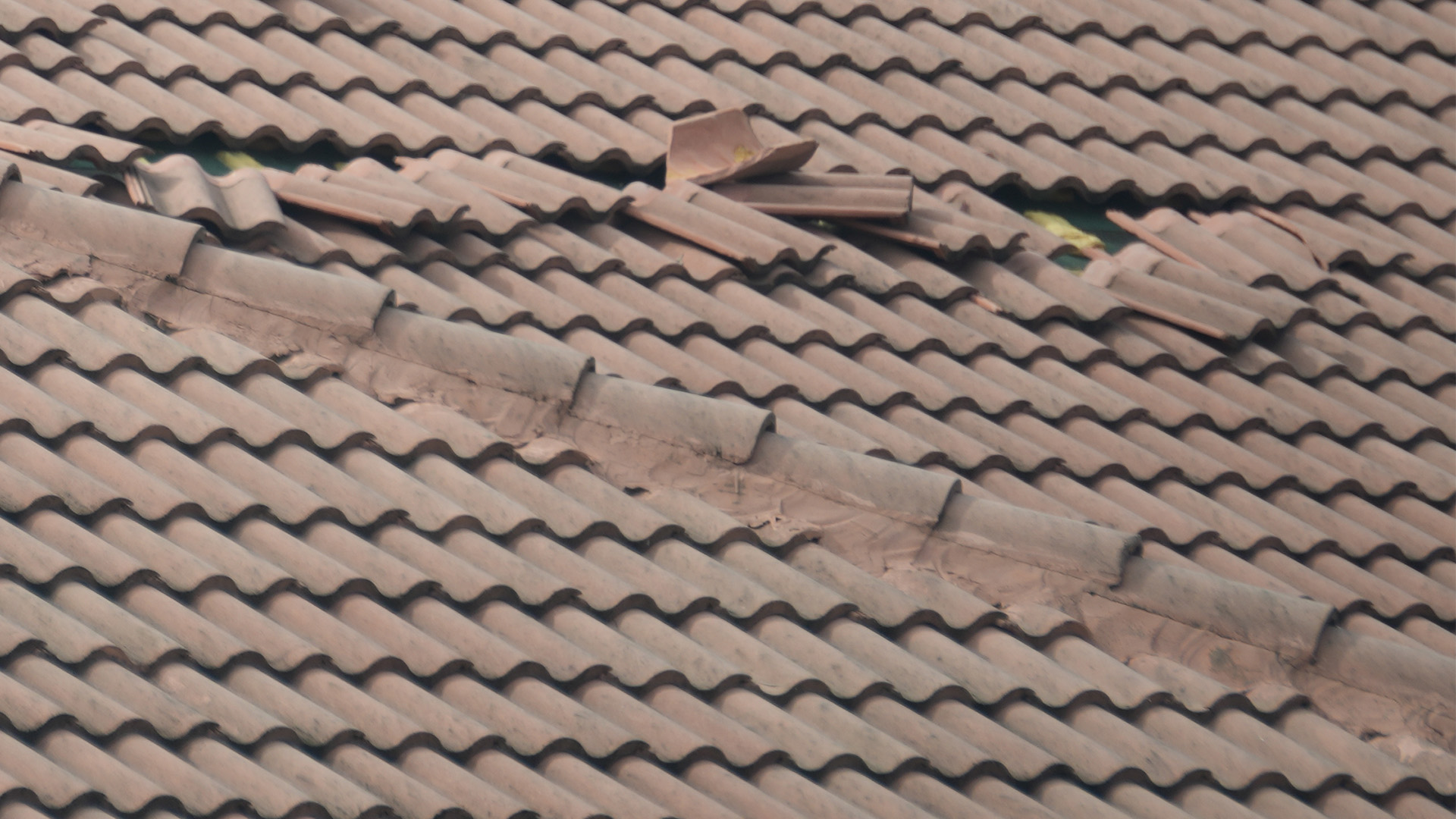
One of the biggest mistakes homeowners make is assuming that if they do not see obvious damage, everything is fine.
Storm damage is not always visible from the ground. Wind can lift shingles without tearing them off, hail can bruise roofing materials, and water may begin entering the home through small openings that go unnoticed for months.
Even minor damage can become a major insurance claim if it is left untreated.
After every significant storm, you should:
- Walk around your property safely.
- Look for missing shingles or roof tiles.
- Inspect gutters, soffits, and siding.
- Check ceilings for water stains.
- Look for cracked windows or damaged screens.
- Inspect fences, sheds, and detached structures.
- Work with a professional to get your home inspected
If you suspect roof damage, schedule a professional inspection as soon as possible. Early inspections often uncover damage long before it becomes visible inside the home.
Mistake #2: Throwing away damaged materials
Many homeowners begin cleaning up immediately after a storm, which is understandable. However, throwing away damaged materials too soon can remove important evidence that supports your insurance claim.
Examples include:
- Broken roofing materials
- Damaged siding
- Fallen tree limbs
- Water-damaged flooring
- Destroyed personal belongings
Whenever possible:
- Photograph the damage first.
- Take videos from multiple angles.
- Save damaged materials until your insurance company has inspected the property.
- Keep receipts for emergency cleanup and temporary repairs.
Good documentation helps establish both the cause and extent of your loss.
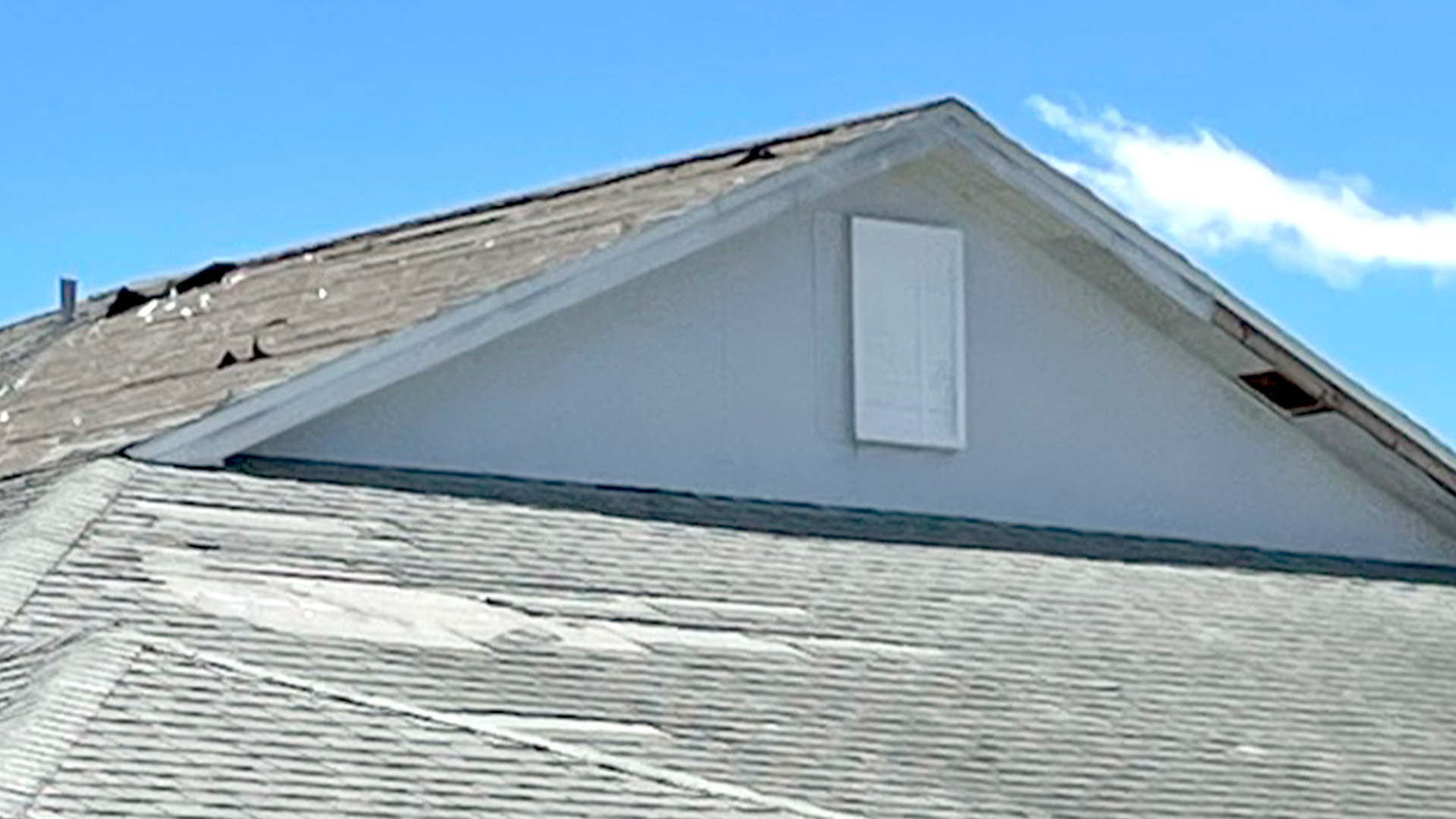
Protecting your home from additional damage is important, but there is a difference between temporary mitigation and permanent repairs.
For example:
Appropriate temporary repairs may include:
- Installing tarps
- Boarding broken windows
- Removing standing water
- Drying affected areas
Permanent repairs should generally wait until the damage has been fully documented and inspected whenever possible.
Before major repairs begin:
- Take extensive photographs.
- Record videos.
- Save repair estimates.
- Document the date of the storm.
- Keep every invoice and receipt.
This documentation can become invaluable if your insurance company later questions the scope of damage.
Mistake #4: Trusting the insurance company’s estimate without comparison
Many homeowners believe the insurance adjuster’s estimate represents the true cost of repairs.
Unfortunately, this is not always the case.
Insurance estimates sometimes:
- Miss damaged areas
- Underestimate labor costs
- Exclude code-required work
- Overlook hidden water damage
- Fail to account for matching materials
Obtaining an independent contractor’s estimate gives homeowners a better understanding of what it will actually cost to restore the property.
If your contractor’s estimate differs significantly from your insurer’s estimate, it may be time to speak with a property damage attorney.
Mistake #5: Waiting until the filing deadline is approaching
Some homeowners do not discover storm damage until months later.
A roof leak may not appear immediately.
Water intrusion may remain hidden behind drywall.
Mold may develop long after the storm has passed.
Unfortunately, waiting too long creates additional challenges.
Insurance companies may argue:
- The damage occurred after the storm.
- The homeowner failed to mitigate damages.
- The damage resulted from normal wear and tear.
- The claim was not filed within the applicable deadline.
The sooner you investigate potential storm damage, the stronger your claim is likely to be.
If you even suspect your property sustained damage during a recent storm, it is wise to have the property evaluated before important deadlines approach.
How JT Law Firm helps homeowners avoid these mistakes
Property damage claims involve much more than filing paperwork.
At JT Law Firm, we guide homeowners through every phase of the claims process while helping them avoid common mistakes that can reduce compensation.
Our attorneys help clients:
- Review insurance policies
- Document covered losses
- Evaluate settlement offers
- Challenge denied claims
- Dispute underpayments
- Prepare cases for litigation when necessary
We also believe communication is just as important as legal strategy.
Our clients receive clear updates throughout the claims process because we understand that recovering from property damage is stressful enough without wondering what happens next.
Every case is prepared with the expectation that it could proceed to trial if necessary. That preparation often strengthens negotiations from the very beginning.
You can’t spell JUSTICE without JT.
Why Florida homeowners choose JT Law Firm
Homeowners across Florida trust JT Law Firm because we combine legal experience with outstanding client service.
Our clients appreciate:
- Direct communication throughout the claim.
- Thorough claim investigations.
- Trial-ready legal representation.
- Relentless advocacy against insurance companies.
- A commitment to maximizing every covered claim.
Our goal is not simply resolving your case.
Our goal is helping you recover the financial resources needed to restore your home and move forward with confidence.
Frequently Asked Questions
How soon should I inspect my home after a storm?
As soon as it is safe to do so. Even if you do not see obvious damage, hidden problems can develop into much larger losses over time.
Can hidden roof damage appear months later?
Yes. Small areas of storm damage often allow moisture to enter the roofing system slowly before becoming visible inside the home.
Can I make emergency repairs before filing my claim?
Yes. Homeowners should take reasonable steps to prevent additional damage, but it is important to thoroughly document the damage before.
What if my insurance company says the damage is old?
Insurance companies sometimes attribute storm damage to age or wear and tear. An experienced property damage attorney can help investigate whether that conclusion is supported by the evidence.
Should I hire a lawyer before accepting an insurance settlement?
If you have concerns about the amount offered or believe damage has been overlooked, consulting an attorney before accepting a final settlement can help protect your rights.
Protect your claim before small mistakes become expensive ones
Recovering after a storm begins with protecting both your home and your legal rights. The decisions you make during the first few days after a storm can significantly impact the outcome of your insurance claim. If your property has been damaged by a hurricane, tornado, hailstorm, or severe weather event, JT Law Firm is ready to stand beside you.
We proudly represent homeowners throughout Florida, providing strategic legal guidance, responsive communication, and relentless advocacy from the initial investigation through settlement negotiations and, when necessary, trial. If your insurance company has delayed, denied, or undervalued your claim, contact JT Law Firm today and discover why homeowners trust us to fight for the compensation they deserve.