A Florida storm can turn a pool cage from a protected outdoor space into a twisted frame, torn screen, and expensive insurance dispute. Hail may puncture screening and dent aluminum. Strong winds can loosen fasteners, bend support members, or collapse entire sections onto the pool deck. Even then, coverage may depend on whether your policy includes the enclosure, which parts are insured, what deductible applies, and how well the loss is documented. JT Law Firm helps Florida homeowners examine those questions and fight denied or underpaid pool cage enclosure damage claims.
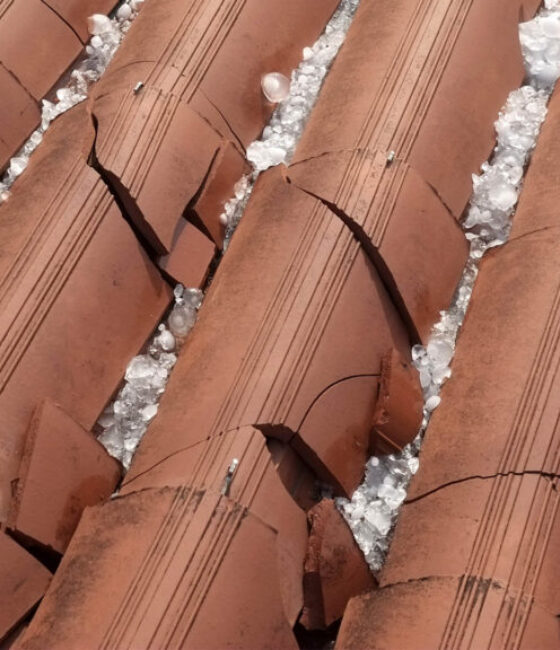
Hailstorms can tear your pool cage enclosure apart in minutes
Hail does not have to destroy the entire structure to create a serious loss. Wind-driven hail can puncture mesh, dent aluminum framing, crack brittle fasteners, and damage doors or roof panels. A storm may also affect nearby roofing, gutters, windows, patio surfaces, pool equipment, or personal property. Those related signs can help establish that the enclosure damage occurred during the same weather event.
The first inspection should go beyond counting visible holes in the screen. Bent supports, loose anchors, shifted joints, damaged hardware, and small fractures can affect the enclosure’s stability and repair plan. A contractor may also determine that matching discontinued materials or repairing only one section will not return the structure to its pre-loss condition. The policy and repair evidence will control what the insurer owes, but the claim should begin with an accurate record of the complete damage.
Photograph the enclosure from several angles before removing damaged components, provided the area is safe. Take close-ups of punctures, dents, broken connections, and impact marks. Save storm alerts, inspection reports, repair estimates, receipts, insurer emails, and any pieces removed during emergency work. JT Law Firm’s guide to what homeowners can expect during a Florida hail damage claim explains why documentation and a complete inspection matter.
Florida property damage lawyer helping homeowners with pool cage screen enclosure insurance claims
Pool cage claims can involve a narrow but consequential coverage question: does the policy insure the aluminum structure, the screening, both, or neither for the reported cause of loss? Some policies address screen enclosures through an endorsement or separate limit. Others may exclude screen material, restrict wind coverage, or apply different terms based on whether the enclosure is attached to the dwelling.
JT Law Firm helps homeowners review the policy, understand the carrier’s position, organize evidence, evaluate the repair scope, and respond when a valid claim is denied or undervalued. The firm’s property insurance claim lawyers represent residential and commercial policyholders dealing with storm, hail, wind, water, and other covered losses.
High winds and strong storms can damage or destroy your pool cage enclosure
Florida pool cages have a large surface area exposed to wind and flying debris. During a powerful thunderstorm, tornado, tropical storm, or hurricane, pressure on the enclosure can bend beams, pull anchors from the deck, tear panels from their spline channels, damage doors, or cause one section to collapse into another. A fallen branch or airborne object may create a separate point of impact.
Wind damage may also extend beyond the enclosure. Look for damage to the pool deck, exterior wall, soffit, roof edge, windows, pool equipment, outdoor furniture, and electrical components. If the enclosure is leaning, partially detached, or resting near electrical equipment, keep people away and arrange appropriate emergency protection. Do not attempt a structural repair that could cause injury or destroy evidence of how the failure occurred.
Reasonable temporary measures may be required to protect the property from further damage. Document the condition first when it is safe, keep invoices, and save removed materials when practical. Permanent repairs should be coordinated with the claim inspection and performed by qualified professionals.
Do you have hail damage coverage?
Hail and wind are covered causes of loss under many homeowners policies, but that does not automatically mean every part of a pool cage is insured. The enclosure may be subject to separate language, an endorsement, a specific dollar limit, or an exclusion. The screen fabric may be treated differently from the aluminum frame. A windstorm or hurricane deductible may also be much higher than the policy’s standard deductible.
Review these parts of the policy before assuming the insurer will pay or that a denial is correct:
- The declarations page and listed deductibles
- Covered-peril and cause-of-loss provisions
- Definitions for dwelling, other structures, screen enclosures, and outdoor property
- Endorsements that add, remove, or limit enclosure coverage
- Separate limits for screen material, framing, awnings, or related structures
- Exclusions for wear, deterioration, faulty installation, flooding, or other stated causes
- Loss-settlement terms explaining replacement cost, actual cash value, and depreciation
Coverage depends on the policy in force on the date of loss, the storm that caused the damage, and the evidence connecting that event to the enclosure’s condition. A careful review should answer both questions: was the cause covered, and was this particular property covered for that cause?
Are hail damage claims difficult to prove?
They can be. Hail damage may be scattered, small, or hard to distinguish from age-related deterioration. If no one inspects the enclosure soon after the storm, later rain, sun exposure, corrosion, or another weather event can complicate the timeline. An insurer may argue that torn screening was already brittle, dents are only cosmetic, fasteners failed from maintenance issues, or the claimed damage does not match the reported hail event.
A well-supported claim connects the date of loss to physical evidence. Useful material may include time-stamped photographs, weather information, contractor observations, measurements, repair estimates, prior photographs showing the enclosure’s earlier condition, maintenance records, and evidence of hail impacts elsewhere on the property. Keep your descriptions accurate and consistent. If you do not know what caused a particular mark, document it and allow the appropriate professional to evaluate it rather than guessing.
Signs your insurance company is not handling your insurance claim fairly and what you can do?
Some claims are investigated and paid properly. Others show gaps that deserve attention. Warning signs may include:
- The adjuster inspects only one screen panel and ignores the frame, anchors, doors, roof panels, and related storm damage
- The carrier blames age or wear without explaining the physical evidence behind that conclusion
- Covered framing is grouped together with excluded screen material without a separate analysis
- The insurer’s estimate omits demolition, disposal, labor, permits, code-related work, or necessary access costs that may be covered
- Depreciation, deductibles, exclusions, or coverage limits appear inconsistent with the policy documents
- Requests for clarification, photographs, or contractor estimates receive no meaningful response
- The written decision does not clearly explain why all or part of the claim was denied
Ask for the coverage decision and estimate in writing. Compare the insurer’s scope with an itemized assessment from a qualified enclosure contractor. Organize photographs and communications by date, keep proof of every document submitted, and avoid signing a release you do not understand. If the explanation still does not match the policy or damage, a Florida property damage lawyer can evaluate whether further documentation, negotiation, or legal action is appropriate.
Real reviews from property damage clients
Choosing a law firm is not only about the legal theory behind the claim. You also need to know how the team communicates, explains difficult decisions, and treats clients during a stressful repair process. JT Law Firm shares real testimonials from clients who have worked with the firm. Reading their experiences can help you decide whether the firm’s approach fits what you expect from your legal team.
Three advantages of working with JT Law Firm
- Policy-specific guidance: The legal team reviews the enclosure language, endorsements, exclusions, limits, deductibles, and post-loss requirements that may shape your claim.
- A complete view of the damage: JT Law Firm can evaluate whether the inspection and estimate address the framing, screens, anchors, doors, related structures, and other covered storm damage.
- Relentless claim advocacy: The firm communicates with the insurer, challenges unsupported decisions, and prepares to pursue the dispute further when the facts and law support doing so.
Do you have a valid claim?
A valid pool cage enclosure claim usually requires more than proof that the structure is damaged. The reported peril must be covered, the damaged part of the enclosure must fall within the policy’s protection, the loss must have occurred during the policy period, and the homeowner must comply with applicable notice and post-loss duties. The amount of covered damage must also be considered against the deductible and any enclosure-specific limit.
Possible coverage disputes include whether hail or wind caused the damage, whether deterioration contributed to the failure, whether the enclosure is attached to the home, and whether the framing and screen material receive different treatment. A carrier may accept coverage for one component while denying another. That partial decision should be compared with the complete policy rather than assumed to be correct.
A free claim review can help determine what information is still needed. Bring the declarations page, full policy and endorsements, claim correspondence, photographs, videos, repair estimates, inspection reports, receipts, and any denial or payment letter.
You can’t spell JUSTICE without “JT”
Your pool cage is part of how you use and protect your Florida property. If hail, high winds, or a powerful storm damaged the enclosure and the insurance company denied the claim, delayed its decision, or offered too little for covered repairs, have the file reviewed before accepting the result.
Schedule a free pool cage damage claim evaluation with JT Law Firm or call (855) 585-2997. JT Law Firm will examine the policy and evidence, explain your available options, and relentlessly pursue the justice your valid claim deserves. After all, you cannot spell “Justice” without “JT.”