A denial letter can make it sound as though your wind-driven damage claim has reached the end of the road. It may not have. The insurer’s decision could be based on an exclusion, a disputed cause of loss, incomplete documentation, a missed policy requirement, or an inspection that failed to capture the full damage. Your next move should be deliberate: preserve the property, read the denial closely, gather the claim file, and have the policy and evidence reviewed before accepting the carrier’s conclusion.

What did the insurance company state was the reason for the denial in their letter?
Start with the carrier’s exact words. A denial letter should explain the basis for the decision and identify the policy provisions the insurer believes apply. Do not rely only on what an adjuster said during a phone call. The written decision is the clearest record of the company’s formal position.
Common explanations may include wear and tear, deterioration, faulty installation, lack of maintenance, preexisting damage, an excluded cause, late notice, insufficient evidence, or a conclusion that wind did not create the reported damage. The carrier may also separate direct wind damage from water intrusion, flooding, or another cause that receives different treatment under the policy.
Read the cited provision in context, including definitions, endorsements, exceptions, deductibles, and post-loss duties. A sentence quoted in the denial letter may not tell you how the entire policy applies. JT Law Firm discusses several reasons behind denied, delayed, and underpaid property damage claims and why the stated basis should be compared with the facts of the loss.
Do you believe your property was properly inspected by the insurance company’s adjuster?
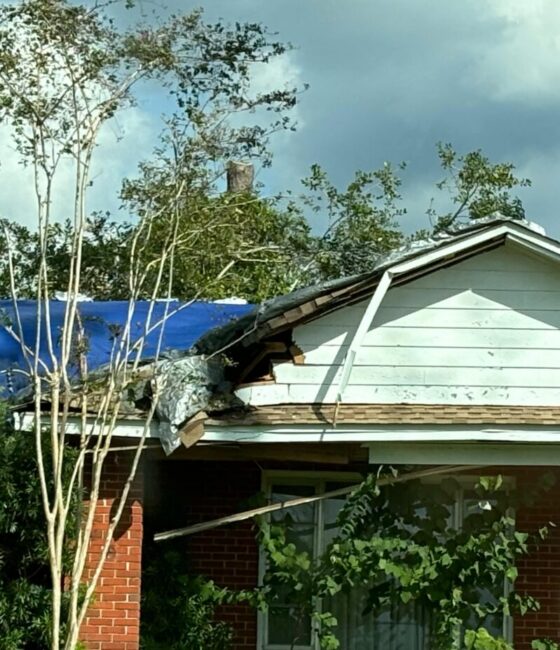
An inspection may be incomplete if the adjuster spent little time at the property, viewed only the easiest areas to access, did not enter damaged rooms, failed to examine roof components, or ignored doors, windows, siding, garage doors, exterior structures, and signs of water entry. Wind damage is not always limited to missing shingles or an obvious impact point. Uplift, loosened materials, displaced flashing, broken seals, and moisture behind finished surfaces may require closer examination.
Ask for the carrier’s estimate, photographs, reports, and written coverage position when those materials are available to you. Compare the inspected areas with your own documentation and with the findings of a qualified contractor or engineer. If the insurer concluded that age or maintenance caused the loss, look for the physical observations that support that opinion.
JT Law Firm’s information about storm-related shingle roof claims identifies photographs, weather information, repair records, receipts, and a detailed inspection as useful claim documentation. The same evidence may be relevant to other wind-damaged parts of a home or commercial property.
You may still have legal options available to you after a wind driven insurance claim denial
An insurance company’s denial is its coverage decision. It is not necessarily the final determination of your legal rights. Depending on the policy, state, cause of loss, evidence, and applicable deadlines, you may be able to ask for reconsideration, submit additional documentation, request another inspection, use a contractual dispute process, pursue a regulatory remedy, negotiate through counsel, or file a lawsuit.
Not every option applies to every claim. Appraisal, for example, may address the amount of a covered loss under some policies but may not resolve a dispute over whether coverage exists. Mediation or a state insurance complaint process may be available in certain jurisdictions. Contractual and legal deadlines can continue to run while you communicate with the carrier, so do not assume an informal request pauses them.
The right path depends on why the claim was denied. A missing repair estimate calls for a different response than an exclusion dispute, an alleged late notice, or a carrier opinion that the property was not damaged by wind. A property damage law firm that handles residential and commercial insurance disputes can identify which issue needs to be addressed first.
Introduce new evidence to reopen the claim
“Reopening” is often used as a general term, but the carrier may treat your submission as a reconsideration request, supplemental claim, or other claim-file update. The label and process can vary. What matters is giving the insurer relevant information that directly addresses the stated reason for denial and complying with the policy and applicable deadlines.
Useful new evidence may include:
- A detailed inspection report identifying wind-created damage the first adjuster missed
- Photographs and videos taken immediately after the storm
- Weather records that place damaging winds, hail, or debris near the property
- Pre-loss photographs or maintenance records showing the earlier condition
- Itemized repair or replacement estimates
- Moisture readings, testing, or other findings tied to covered water entry
- Receipts and records for emergency protection or temporary repairs
- A written explanation from a qualified contractor or engineer addressing causation and repair scope
More paperwork is not automatically stronger evidence. Each item should help answer a disputed point. If the letter says no storm-created opening was found, evidence concerning that opening deserves priority. If the insurer blamed long-term deterioration, information showing the component’s recent condition may matter more than a general repair quote.
Submit material through a trackable method and retain an exact copy. Include the claim number, property address, date of loss, and a concise explanation of how the evidence responds to the denial. Avoid changing your description of the event or making technical conclusions you cannot support.
What can a lawyer do after a claim has been denied?
A property insurance lawyer can review the full policy and endorsements, examine the denial letter, compare the carrier’s findings with the available evidence, and identify contractual or legal deadlines. Counsel may also help obtain an appropriate inspection, organize supporting records, communicate with the insurer, present a written challenge, negotiate the dispute, and pursue litigation when the facts and law support it.
Legal representation does not turn an excluded or unsupported loss into a covered claim. Its value is in testing whether the carrier applied the policy correctly, investigated the damage fairly, and considered the evidence that supports your position. The analysis should also account for deductibles, limits, valuation provisions, prior damage, and any overlapping causes of loss.
You can request a re-inspection of your damaged property.
You may ask the insurance company to inspect the property again, especially when specific damage was inaccessible, overlooked, or discovered after the first visit. Make the request in writing. Identify the areas that need review, explain why another inspection is warranted, and attach photographs or a professional report when available.
A request does not guarantee that the carrier must grant a reinspection in every claim. Procedures vary by policy. If the insurer agrees, prepare the property so the relevant areas can be accessed safely, and consider having the contractor or professional who documented the disputed damage available. Keep a record of who attended, which areas were examined, and any documents exchanged.
If emergency work cannot wait, photograph and video the condition first when safe, retain damaged materials when practical, and keep invoices describing what was done. Those steps can help preserve the record without leaving the property exposed to additional loss.
Three advantages of working with JT Law Firm for a denied wind damage claim.
- A denial-specific strategy: The legal team works from the carrier’s stated reason, the policy language, and the evidence needed to challenge that position.
- Clear guidance and communication: You receive practical direction about inspections, documents, deadlines, and insurer requests throughout the dispute.
- Preparation for the next stage: JT Law Firm can pursue negotiation and prepare for litigation when a valid claim requires stronger legal action.
Take action and contact a property insurance lawyer
Delays can make a denied wind claim harder to prove. Conditions change, temporary repairs cover the original damage, records become harder to locate, and contractual or legal deadlines may expire. Gather the denial letter, declarations page, full policy and endorsements, photographs, videos, estimates, inspection reports, receipts, claim correspondence, and a timeline of the storm and insurer communications.
Do not sign a release you do not understand or accept the carrier’s interpretation simply because it appears on company letterhead. A focused legal review can determine whether the denial matches the policy and evidence, what information is still needed, and which response options may remain available.

You can’t spell JUSTICE without “JT”
If wind damaged your home, business, or other insured property and the insurance company denied the claim, have the decision reviewed before treating it as final. Schedule a free wind-driven damage claim evaluation with JT Law Firm or call (855) 585-2997. JT Law Firm will examine the denial, explain the next step, and relentlessly pursue the justice your valid claim deserves. After all, you cannot spell “Justice” without “JT.”